As we are about to turn the page (click the arrow?) on the calendar to move into 2026, there are many changes that happen around taxes. These include tax bracket changes, changes in the limits of what you can contribute to various retirement accounts, and a variety of other changes. The following is by no means an exhaustive list, but I’ve tried to include the changes that I think are most likely to be useful for planning purposes to the readers of this blog. As always, I’m not a CPA, so check with a tax professional if you have any questions.
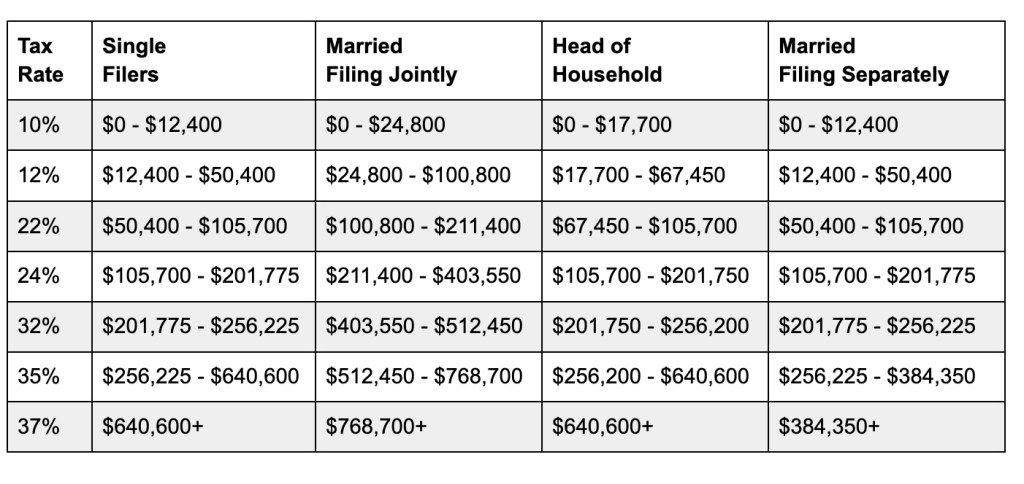
2026 Federal Income Tax Brackets
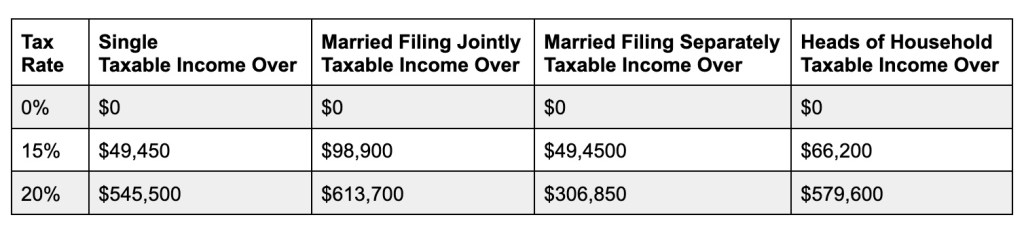
2026 Federal Capital Gains Tax Brackets
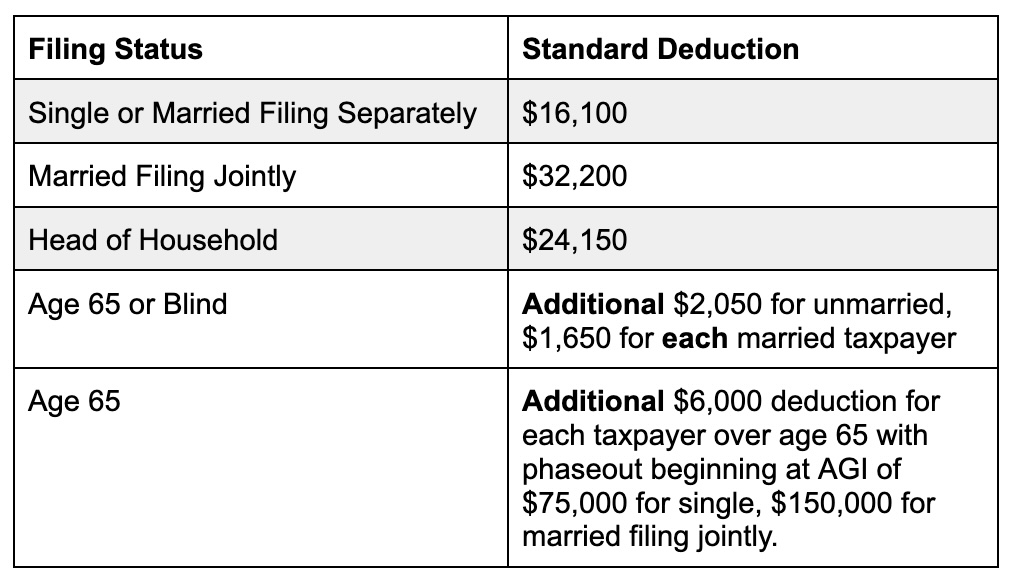
2026 Federal Standard Deduction
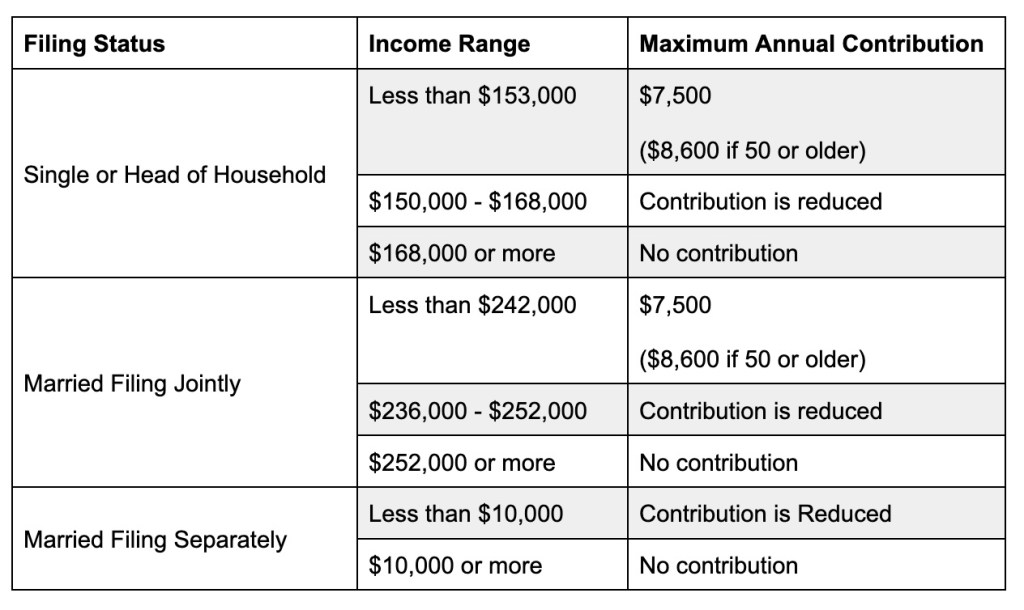
2026 Roth IRA Income and Contribution Limits
2026 Traditional IRA Income Limits for Deduction

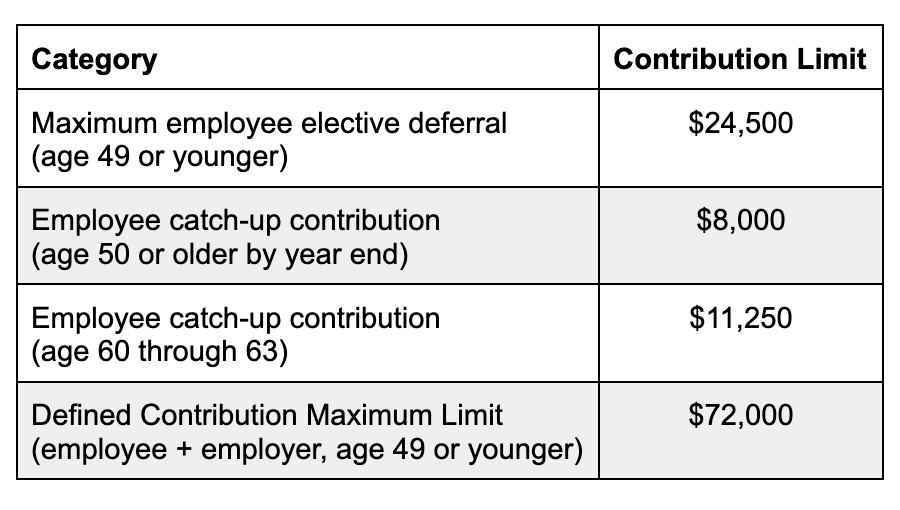
2026 Defined Contribution Limits (401k/403b/457)
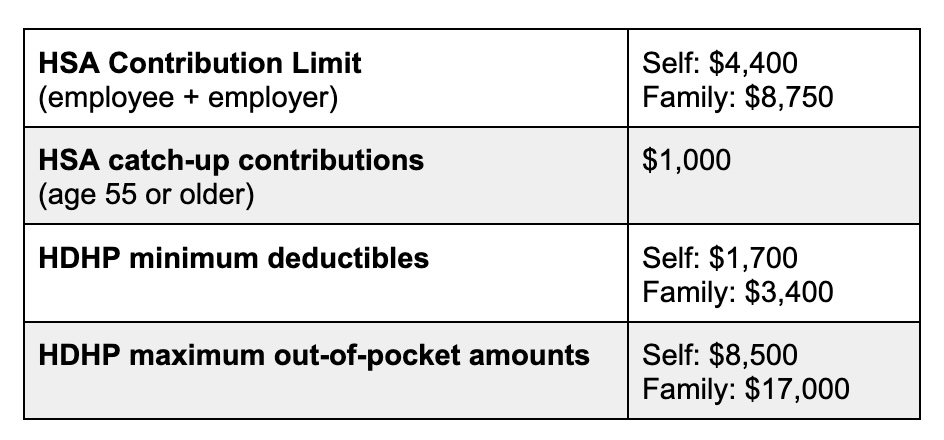
2026 Health Savings Accounts (HSA)
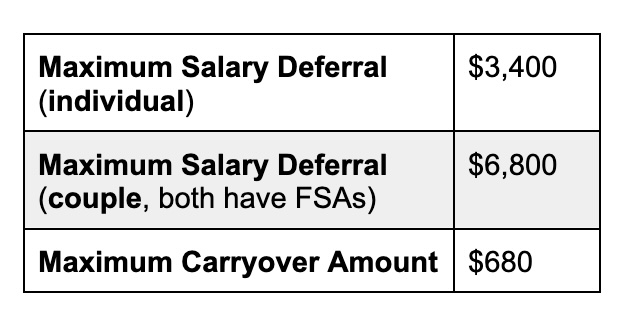
2026 Health Flexible Spending Account (Medical FSA & Limited Purpose FSA)
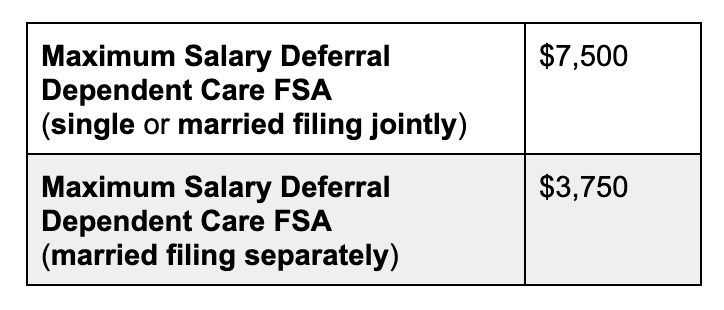
2026 Dependent Care Flexible Spending Account
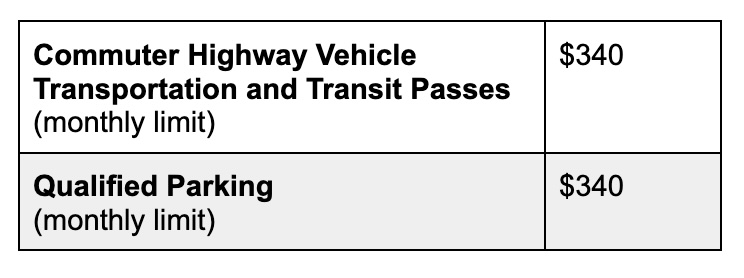
2026 Transportation Benefit Exclusion
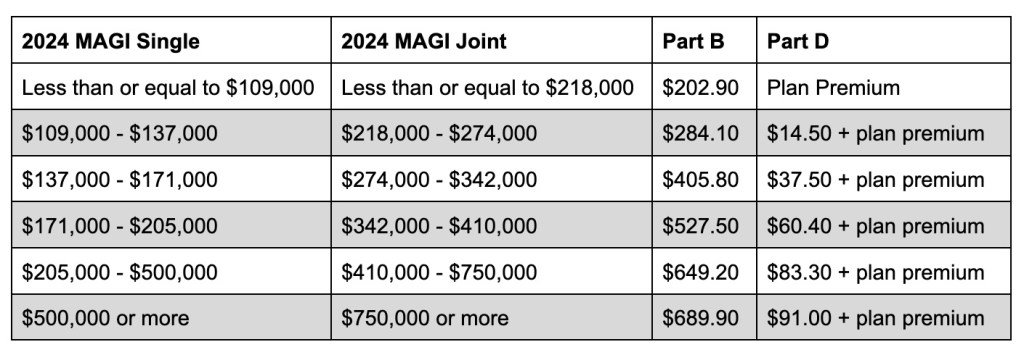
2026 Medicare Premiums
2026 Education Tax Credits

2026 Savers Credit
Note: Maximum contribution amount to calculate credit on is $2,000 (single) or $4,000 (married filing jointly), so the maximum credit is $1,000 (single) or $2,000 (married filing jointly.)

Age for Required Minimum Distribution (RMD)

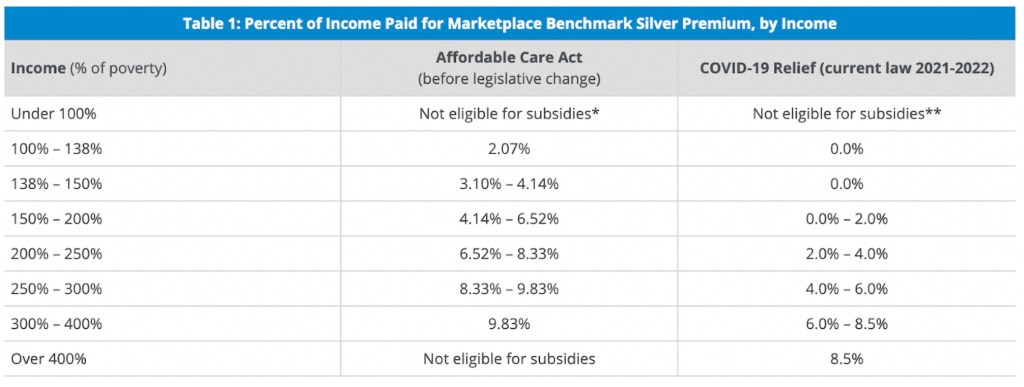
ACA Health Insurance Premium Subsidy
Are There Changes You Can (Should) Make?
So now is a great time to evaluate all of the above areas that might apply to you and perhaps make some changes. It’s always a good idea to see if you can increase your contributions to retirement plans, your HSA, or your FSA, and as you start gathering all the info you need to complete your 2025 taxes, start thinking about ways you might be able to optimize your 2026 taxes.
 Fisch Financial
2 thoughts on “2026: New Year, New Limits”